Talk to us about our Advertising options. We publish our bi-annual magazine and send out regular newsletters too.
Past Paper Download
Price
£50.00
Variations
Anthropogenic CO2 captured from industrial sources will contain impurities that must be removed to meet very stringent pipeline specifications. The amount and type of these impurities vary significantly depending on the capture technology and the fuel source. The presence of trace contaminants such as Oxygen (O2), Sulfur Oxides (SOx), and Nitrogen Oxides (NOx) and moisture (H2O) present significant technical challenges, including pipeline corrosion, while contaminants such as carbon monoxide (CO) and volatile organic compounds (VOCs), such as aldehydes pose health concerns and present issues in cryogenic processing of CO2.
This presentation provides an overview of technologies used to purify the captured CO2. We will provide a “plug-and-play” approach for removing key contaminants SO2, NO, NO2, VOCs, Amines, hydrogen cyanide (HCN), ammonia, NH3, O2, H2 and CO as well as carbonyl sulfide and organic sulfur and nitrogen compounds. Both regenerable and expendable sorbent systems will be evaluated to meet the specific purification needs of the contaminants of concern.
In a case study, we will also demonstrate the impact of O2 and NO in the operation of cryogenic purification systems (i.e., their impact on the CO2 vent rate and operation severity, such as the temperature and pressure of the cryogenic distillation process).

Talk to us about our Advertising options. We publish our bi-annual magazine and send out regular newsletters too.
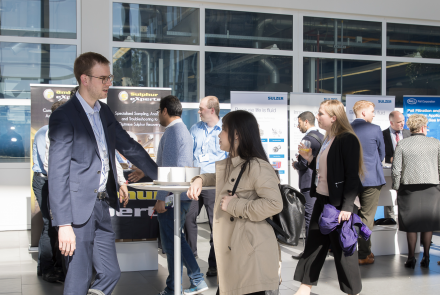
Our conferences provide a direct marketing channel to Directors and Process Engineers within the natural gas processing industry. You can meet and engage with around 100-member companies, all in one place. Click here to view our Sponsorship Opportunities.